
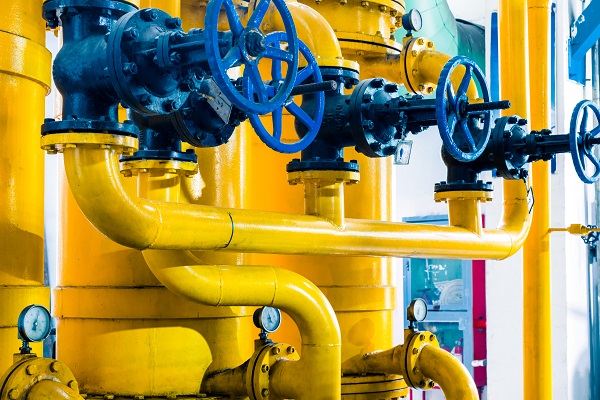
Pipeline closures and operational continuity of gas infrastructures
Pipeline closures represent a key technical element in the management of gas transportation infrastructures, where safety, reliability and service continuity cannot be compromised. In networks operating under high pressure and complex conditions, every access point must ensure perfect sealing and allow controlled interventions, both during scheduled maintenance and in extraordinary situations. The choice of closure directly affects the ability to maintain stable flow and reduce operational risks along the line.
QOC Solutions designs and manufactures custom pipeline closures developed to adapt to the real operating conditions of gas infrastructures. This engineering-driven approach makes it possible to integrate closures into the system in a way that aligns with layout constraints, regulations and safety requirements. When a closure is designed starting from the specific needs of the pipeline, you can achieve more reliable access points, optimized intervention times and greater operational stability over the long term, even in the most critical environments.
Pipeline closures as a critical point for line safety
Pipeline closures are among the most sensitive points of the entire infrastructure because they concentrate functions that are essential for line control and safety. In a pipeline, every potential opening represents an area that must be carefully managed, especially when the system operates under high pressure and continuous service conditions. A closure that is not properly designed can become a risk factor, while a correctly engineered solution contributes directly to the stability of the entire system.
Line safety depends on the closure’s ability to ensure sealing performance, mechanical resistance and controlled management of opening and closing operations. This aspect is essential both during routine activities such as inspections and during extraordinary interventions, where speed and precision must work together. Pipeline closures must therefore integrate into the system without introducing structural weaknesses or discontinuities.
When design takes real operating conditions into account, you can significantly reduce the risk of human error and critical situations during interventions. A closure developed for a specific pipeline allows operators to work with clear and repeatable procedures, improving operational control and protecting personnel. In this way, pipeline closures become an active safety element for the line rather than a simple passive component.
Pipeline closures and scheduled maintenance of gas infrastructures
Scheduled maintenance plays a strategic role in the management of gas infrastructures because it preserves safety and operational efficiency over time. In this context, pipeline closures perform a crucial function because they regulate access to sections of the line intended for inspection, cleaning or technical verification. When the closure is designed in accordance with the pipeline system, maintenance activities become faster, more controlled and more predictable.
A properly engineered closure allows interventions to be planned while minimizing the impact on service continuity. Safe and repeatable access to pipeline sections ensures that maintenance plans can be respected without introducing additional risks or operational delays. This aspect becomes even more important in large networks, where any unplanned shutdown may generate significant consequences for the entire system.
The main advantages that pipeline closures provide for scheduled maintenance include:
- reduced time required to open and close the line
- increased safety during inspection operations
- simplified operational procedures
- improved control of recurring maintenance activities
- reduced exposure to emergency interventions
QOC Solutions develops pipeline closures designed to integrate effectively into gas infrastructure maintenance programs. When a closure is engineered specifically for the system, maintenance can shift from a critical activity to a manageable process, improving long-term reliability and operational continuity.
Pipeline closures designed for high pressure and real operating conditions
Pipeline closures intended to operate under high pressure must be designed by considering real operating conditions, not only nominal parameters. High pressure levels, repeated thermal cycles, environmental variations and continuous mechanical stress all affect line stability and require solutions capable of maintaining consistent performance over time. In this context, design becomes essential to ensure operational safety and reliability.
A closure designed for a specific pipeline allows stress to be managed without compromising sealing performance or structural integrity. The choice of materials, the sizing of components and the design of locking systems must be consistent with the application environment in order to avoid premature wear or critical issues during opening and closing operations. When the closure responds to real operating conditions, the entire pipeline system benefits from greater stability and control.
QOC Solutions designs custom pipeline closures starting from the analysis of operational stress and regulatory requirements. This engineering approach allows the development of solutions that integrate into the pipeline without introducing weak points. When the closure is designed to work under real operating conditions, you can manage infrastructure operation with greater confidence, reducing the risk of unexpected interventions and improving overall line reliability.
Custom pipeline closures: when customization becomes necessary
Choosing custom pipeline closures becomes necessary when operating conditions exceed the limits of standard solutions. Complex layouts, dimensional constraints, specific regulatory requirements or integration with existing equipment demand components capable of adapting precisely to the real context. In these situations, customization eliminates design compromises and ensures consistency between closure and infrastructure.
A standard closure may only be suitable in repetitive scenarios. When the pipeline includes critical variables, however, dedicated design improves accessibility, safety and reliability. Customization affects materials, geometries, locking systems and opening mechanisms, allowing clear operational procedures and reducing risks during inspection and maintenance activities. If you operate on gas networks subject to high stress or limited access space, a custom solution makes operations more predictable and controlled.
The need for customization typically emerges in the presence of:
- non-standard pressure and temperature conditions
- non-linear layouts or limited installation space
- interfaces with existing equipment
- strict regulatory requirements or project-specific specifications
- frequent opening cycles or specific safety procedures
QOC Solutions develops pipeline closures engineered on a project basis, starting from the analysis of operating conditions and operational objectives. When customization is driven by engineering expertise, the closure integrates naturally into the pipeline, improving safety, service continuity and long-term operational management.
Interested in our custom solutions? Click here to contact our team!
FAQ about pipeline closures
What are pipeline closures and what are they used for?
Pipeline closures are devices designed to provide controlled access to gas transportation lines, allowing inspections, maintenance operations and technical interventions to be carried out safely.
Why are pipeline closures considered critical safety points?
Because they manage line openings in the presence of pressure and sensitive fluids. Proper design ensures sealing performance, mechanical resistance and safe operation control.
When should custom pipeline closures be used?
A custom solution is recommended when the pipeline includes complex layouts, severe operating conditions or regulatory requirements that standard closures cannot adequately address.
How do pipeline closures support scheduled maintenance?
They provide fast and repeatable access to inspection points, reducing downtime and improving maintenance planning across the gas network.
Are pipeline closures suitable for high-pressure operation?
Yes, if they are specifically designed for the application context. Custom versions can be engineered to withstand high pressure and demanding operating cycles.
What advantages does dedicated engineering design provide for pipeline closures?
Dedicated design improves integration with the infrastructure, reduces operational risks and ensures higher long-term reliability.